How to Grow Petunias: A Complete Care Guide
Are Petunias Annuals or Perennials?
Petunias are annuals. They live out their whole life cycle in a single growing season and won’t return on their own next year. If you fell for this year’s blooms, mark it down: you’ll need to start fresh from seed or new plants each spring.
| Month | Activities for Petunias |
|---|---|
| January | Start petunia seeds indoors |
| February | Continue indoor seed cultivation |
| March | Transplant seedlings outdoors |
| April | Provide regular watering and fertilization |
| May | Petunias begin blooming |
| June | Prune petunias for bushier growth |
| July | Continue regular watering and fertilization |
| August | Deadhead spent flowers for prolonged blooming |
| September | Prepare for seed collection or discard plants |
| November | Clean up garden beds and prepare for winter |
| December | Rest period for petunias |
How to Keep Petunias Blooming All Summer
Petunias can bloom nonstop from late spring through the first frost if you give them enough sun, consistent water, and regular feeding, plus a bit of pruning along the way. Skip any one of those for too long and you’ll watch the blooms taper off fast.
Make Sure They Get Enough Sun
Petunias need at least six hours of direct sun a day to bloom well. If a spot looks sunny but you’re not sure, watch it over the course of a full day and count how many hours it gets direct light versus shade. That’ll tell you whether it’s a good match.
Water Them Well
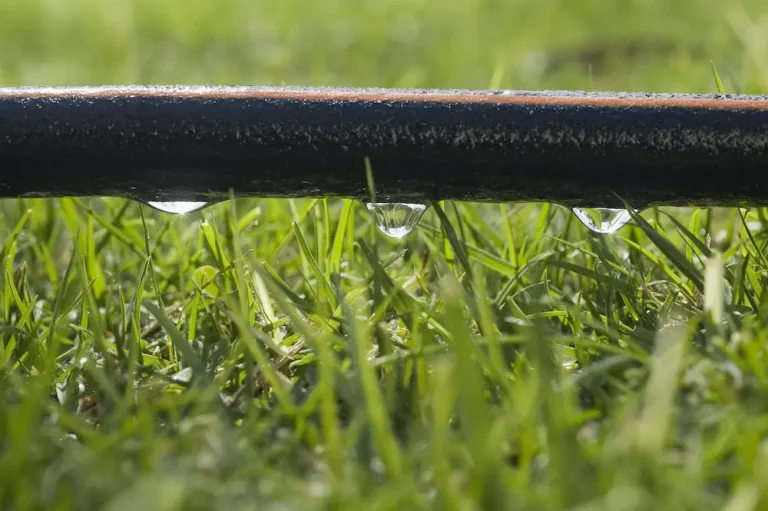
Petunias like steady moisture, not soggy soil. Water when the top inch of soil feels dry, and water deeply enough to reach the root zone instead of just wetting the surface. Skimp on water and you’ll see wilting and fewer blooms; overdo it and you risk rotting the roots. Aim for the middle ground. A soaker hose delivers that consistent, deep watering without wetting the foliage.
Apply Fertilizer Regularly
Feed petunias with a balanced, water-soluble fertilizer, something like 10-10-10 or 20-20-20. Those numbers are the percentages of nitrogen (N), phosphorus (P), and potassium (K) in the mix, in that order, so a 20-20-20 blend just packs more of the same nutrients than a 10-10-10.
Stick to the product’s feeding schedule through the growing season. One heavy application won’t do what regular, moderate feeding does for blooms.
How to Plant and Grow Petunias
Getting petunias established starts with picking the right variety and prepping your soil before a single seed goes in the ground.
About Petunias
Petunias come in a range of forms: the large trumpet-shaped blooms of grandiflora, the low trailing habit of multiflora and wave types, and a few others besides. Each type has its own look and its own job in the garden.
Types of Petunias
Petunias fall into a few main types: grandiflora, multiflora, and trailing, along with some more specialized options shown below.
How to Choose Petunias
Pick a color and form that fits your garden, and think about size too. Trailing types work well in hanging baskets and containers, while grandiflora suits garden beds. Match the variety to your yard’s conditions, especially sun and space.
| Petunia Type | Primary Characteristics |
|---|---|
| Grandiflora | Large, showy flowers; wide color range; may require staking |
| Multiflora | Abundant flowers; compact growth habit; tolerant of weather |
| Trailing | Cascading habit; ideal for hanging baskets and containers |
| Wave | Spreading, vigorous growth; profusion of blooms; ground cover |
| Miniature | Small, delicate flowers; compact size; suitable for borders |
| Double | Double-layered blooms; ruffled appearance; touch of elegance |
| Fringed | Frilly, fringed edges on petals; unique texture and appeal |
| Veined | Petals with distinct veining patterns; adds visual interest |
How to Grow Petunias From Seed
Start seeds indoors 8 to 10 weeks before your last frost date. Once the danger of frost has passed and the weather has warmed, transplant seedlings outside.
Purchasing Petunia Plants
If you’d rather skip starting from seed, look for healthy plants at a local nursery or a reputable online supplier.
When to Plant Petunias
Wait until after your last frost date to plant petunias outside. They’re sensitive to cold and won’t tolerate a late freeze.
How to Plant Petunias
Prepare the soil so it’s loose, well-draining, and free of debris, then plant seeds or seedlings with enough space for roots to spread.
Planting and Soil
Petunias do best in well-draining soil enriched with organic matter like compost. Aim for a soil pH between 6.0 and 7.0, and a nutrient ratio around 3:1:2 for nitrogen, phosphorus, and potassium, for the healthiest blooms. Test your soil before you plant, so you know exactly what you’re working with.
Temperature and Humidity
Petunias thrive in moderate temperatures, roughly 60–75°F (15–24°C). They tolerate normal humidity well but appreciate a light misting during especially dry spells. Just avoid extremes of heat or cold.
Ongoing Petunia Care
Once petunias are established, keep up with regular watering, feeding, occasional pruning, and watching for pests and disease.
Pruning Petunias
Trim leggy stems back by about a third to encourage bushier, more vigorous growth.
What to Do With Leggy Petunias
If your petunias have gotten tall and sparse, cut back the overgrown stems for a fuller, more compact shape. Deadhead regularly, pulling off spent blooms as you see them, and the plant keeps flowering instead of pouring energy into seeds.
Propagating Petunias
You can propagate petunias from cuttings. Select healthy stems, root them, and you’ll have new plants ready to go.
Potting and Repotting Petunias
Choose containers with enough room to grow, filled with well-draining soil. Petunias are annuals, but they may still need repotting every 4 to 6 weeks during the season as roots fill the container. Handle the roots gently and use fresh soil whenever you repot.
Common Diseases that Plague Petunias
Keep an eye out for powdery mildew, gray mold (botrytis), and root rot. You’ll usually spot the warning signs early: spotted leaves, fuzzy growth, or wilting foliage. Good air circulation, careful (not excessive) watering, and well-draining soil go a long way toward keeping all three at bay.
Common Questions
How Quickly Do Petunias Grow and Bloom?
Petunia seeds typically sprout within days, and plants usually reach full bloom within six to eight weeks.
How Long Do Petunias Bloom?
Petunias can bloom for several weeks to months, especially with regular deadheading, often lasting from late spring until the first frost.
What Makes Petunias Stop Blooming?
A few things can cause petunias to stop blooming: not enough sun or water, depleted soil nutrients, or too much heat. Cold weather will eventually end the season for good, since petunias can’t survive frost. Adjust your watering or feeding, or give plants some shade during a heat wave, and you can often coax a few more blooms before the season ends.
Petunias are easy to grow if you keep up with the basics: sun, water, and regular feeding. Stay on top of deadheading and pruning too, and they’ll keep blooming right up until the first frost.